PFAS in Biosolids: When Sewage Sludge Fertilizer Becomes a Source of Forever Chemicals
EPA's January 2025 draft risk assessment, Duke University research, and an international survey of water utilities all point to the same problem: PFAS that wastewater plants cannot remove are concentrating in biosolids that are then spread on farmland as fertilizer.
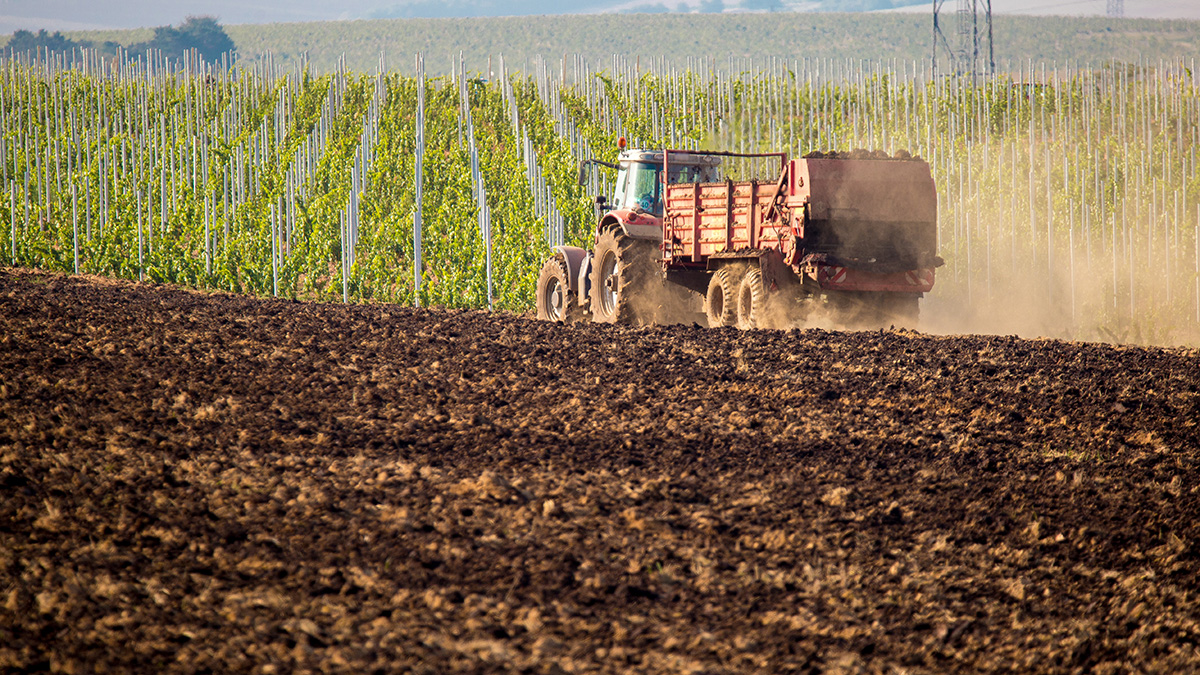
For decades, biosolids have been promoted as the sustainable answer to a difficult problem. Wastewater treatment plants generate sludge as an unavoidable byproduct, and applying that processed material to farmland recycles nutrients while avoiding landfill costs. But conventional wastewater treatment was never designed to remove PFAS, and the chemicals concentrate in the solids that come out of the process. The same biosolids that fertilize fields now carry forever chemicals into the soil, into crops, and back into the water supply through runoff and leaching.
The EPA Risk Assessment That Could Reshape Land Application
On January 14, 2025, the U.S. Environmental Protection Agency released the Draft Sewage Sludge Risk Assessment for Perfluorooctanoic Acid (PFOA) and Perfluorooctane Sulfonic Acid (PFOS) for public comment, under Docket ID EPA-HQ-OW-2024-0504 (EPA, 2025). The public comment period closed on August 14, 2025. The assessment is intended to serve as the basis for determining whether federal regulation of PFOA and PFOS in biosolids is appropriate.
EPA is also planning the next National Sewage Sludge Survey in collaboration with the Effluent Guidelines Program's POTW Influent PFAS Study, focused specifically on obtaining current national concentration data on PFAS in sewage sludge (EPA, 2025). The 2024 update to EPA's Interim Guidance on the Destruction and Disposal of PFAS-Containing Materials, issued under the FY2020 National Defense Authorization Act, now explicitly addresses sewage sludge as one of the regulated material categories (EPA, 2025).
Alongside these regulatory actions, EPA's Office of Water has joined with the Environmental Council of the States (ECOS) and the National Association of State Departments of Agriculture (NASDA) to publish Joint Principles for Preventing and Managing PFAS in Biosolids. EPA convened three stakeholder workshops in 2023 and 2024 with 21 participants from wastewater utilities, solid waste organizations, and state agencies to discuss the three main biosolids management options: land application, landfill disposal, and incineration (EPA, 2025).
While these federal actions are underway, EPA's current recommendation to states is to monitor biosolids for PFAS, identify likely industrial sources discharging PFAS into the wastewater system, and implement industrial pretreatment requirements where appropriate (EPA, 2025).
How PFAS Get Into Sludge in the First Place
PFAS reach wastewater treatment plants through three main pathways (EPA, 2025):
- Industrial releases, including aqueous film-forming foam discharges, pulp and paper plants, and textile manufacturers.
- Commercial releases from facilities like car washes and industrial launderers.
- Down-the-drain releases from consumer products such as water-resistant sprays, ski wax, floor finishes, and the laundering of stain-resistant or water-resistant textiles.
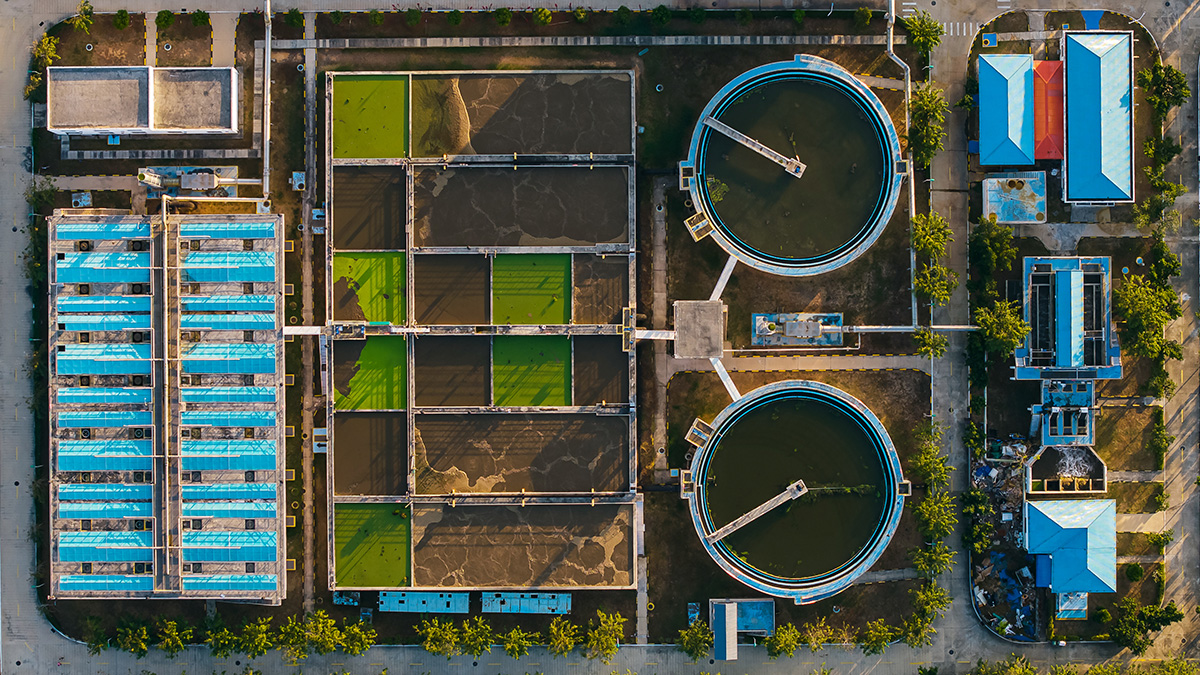
Once PFAS enter the influent, conventional wastewater treatment cannot remove them. The chemicals partition between the treated effluent that gets discharged to surface water and the solids that become biosolids. The longer the PFAS molecule and the more it tends to bind to organic matter, the more it concentrates in the sludge.
One of the most striking documented examples comes from Burlington, North Carolina. A research team at Duke University led by Prof. Lee Ferguson spent years investigating why the town of Pittsboro, downstream on the Haw River, had elevated PFAS in its drinking water. Routine PFAS testing at Burlington's wastewater treatment plant produced a confusing result: the plant was discharging more measurable PFAS than was coming in (Kingery, 2025).
The team eventually traced the source to a textile manufacturer discharging insoluble nanoparticle PFAS "precursors" into the city sewer, at concentrations that were not picked up by standard analytical methods. When the lab simulated Burlington's then-current Zimpro thermal and pressure treatment process on samples of the textile wastewater, the measured PFAS levels jumped 50,000 to 80,000 percent (Kingery, 2025).
Key finding: Precursor PFAS concentrations in the textile manufacturer's discharge to the Burlington sewer reached up to 12 million parts per trillion, approximately 3 million times greater than EPA's drinking water regulatory limit (Kingery, 2025).
"After turning all the available PFAS precursors into measurable forms of PFAS, the levels in one textile manufacturer's wastewater jumped 50,000 to 80,000 percent. I jumped out of my chair when I saw the results," said Patrick Faught, the Duke PhD student who led the sampling work (Kingery, 2025).
After Burlington shut off the Zimpro process and used its Clean Water Act pretreatment authority to require the textile manufacturer to change its process, PFAS precursors entering the WWTP dropped by orders of magnitude (Kingery, 2025). But the precursor nanoparticles that had already been concentrated into sludge are still in the biosolids that have been spread on agricultural fields across eastern North Carolina for years.
"The precursors were still coming into the facility and being concentrated into sludge that is eventually spread on agricultural fields, where they will transform to more soluble, mobile and toxic forms PFAS over time," Ferguson said. The findings indicate PFAS will continue leaching from these biosolids into the region's soils and waterways for decades to come (Kingery, 2025).
How Much PFAS Is in Biosolids?
A 2025 perspective paper published in the Journal of Hazardous Materials Advances, based on interviews with major water utilities in Australia, Canada, Denmark, New Zealand, and the United States, documented the wide range of PFAS concentrations being measured in biosolids worldwide (Srivastava and Macdonald, 2025).
Reported levels generally range from low parts per billion (µg/kg) to about 10 to 12 µg/kg for PFOA, and from a few hundred to a few thousand µg/kg for PFOS. The variation between sites is substantial:
| Source | PFAS Suite | Concentration (µg/kg) | Period |
|---|---|---|---|
| Denmark utility | Σ22 PFAS | 22 | 2023 total |
| Canada utility | Σ28 PFAS | 28 to 137 | 6-year range |
| Australian biosolids (Moodie et al., 2021) | Σ44 PFAS | 4.2 to 910 (mean 260) | National survey |
The Australian survey is the most detailed of the three. Polyfluoroalkyl phosphates (PAPs), a class of precursor compounds, made up 45% of the total PFAS mass. Perfluoroalkyl carboxylic acids (PFCAs) accounted for 17% and perfluoroalkyl sulfonic acids (PFSAs) for 16%, with PFDA and PFOS being the most abundant individual compounds (Srivastava and Macdonald, 2025). The dominance of precursors matters because, as the Burlington case demonstrated, these compounds can transform into the regulated terminal PFAS over time.
A number of the interviewed utilities reported that PFAS concentrations in their wastewater and sludge were higher a decade ago than they are today. The decline is attributed to two factors: historically greater use of PFAS in consumer products before widespread regulation, and increased targeting of PFAS at industrial sources through pretreatment programs (Srivastava and Macdonald, 2025).
From Soil to Crop: The Plant Uptake Pathway
When biosolids are applied to farmland, the PFAS they contain do not stay in place. Plants absorb PFAS through their roots and translocate the chemicals to edible portions of the crop. Leafy vegetables show particularly high uptake rates. PFAS concentrations in crops grown on biosolids-amended soils can exceed background levels by orders of magnitude (Srivastava and Macdonald, 2025).
The persistence of PFAS in both biosolids and plant tissues means contamination continues for years after a single application. The Duke researchers in North Carolina noted that the precursor nanoparticles in regional biosolids effectively act as a slow-release source of PFAS, which helps explain why the town of Chapel Hill's raw drinking water has had elevated PFAS levels (Kingery, 2025).
The human cost of this pathway has played out most visibly in Maine, where dairy farms were found to be heavily contaminated by historical biosolids applications. The Maine cases were unusually severe because they were driven by potent PFAS coatings used in paper plants whose waste went into local sewer systems (Rains, 2026).
"Our four-generation dairy farm was essentially out of business overnight," said Colin Jumper, a Durham, NH doctor whose family farm in central Maine was upended by PFAS contamination, in testimony before the New Hampshire legislature in February 2026 (Rains, 2026).
Adam Nordell, who purchased his Freedom, Maine farm and later discovered it was highly contaminated with PFAS, told legislators: "It's been a nightmare that I can't fully describe." He, his wife, and his daughter were also found to have high PFAS levels in their own blood (Rains, 2026).
The Disposal Triangle: There Is No Easy Out
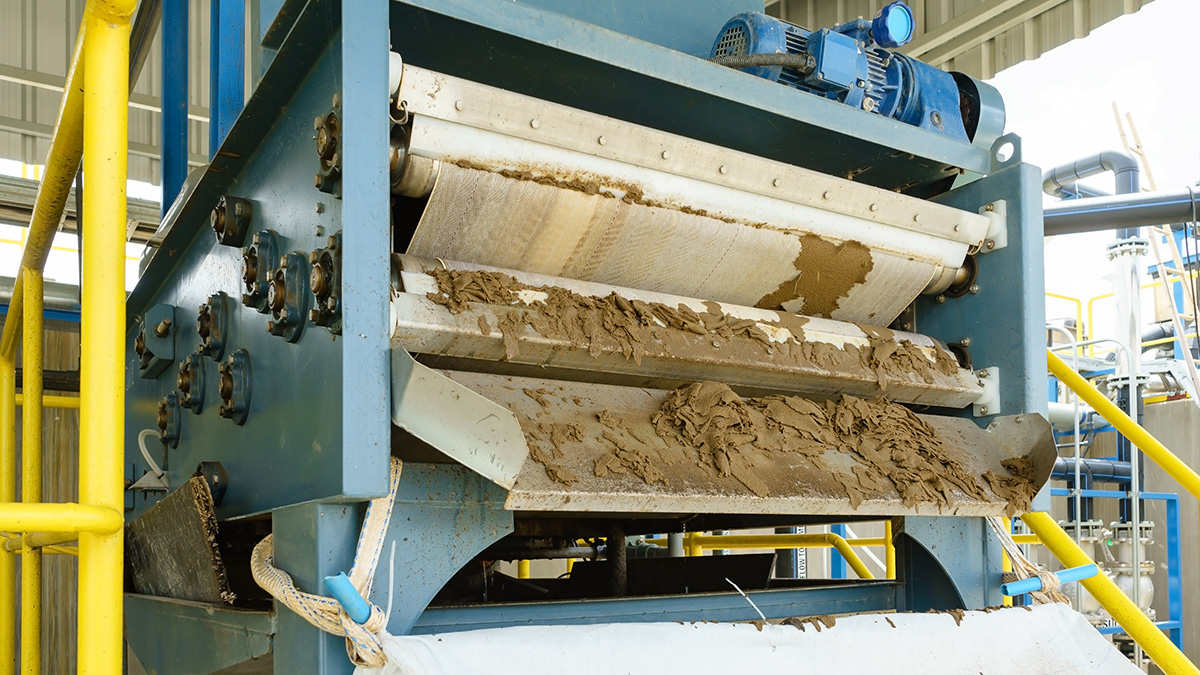
Sludge is unavoidable in wastewater treatment. The question utilities face is what to do with it once they have it. The three main options are land application, landfill disposal, and incineration, and each carries its own PFAS problem.
Land application spreads the chemicals across farmland and into the food supply, as documented above. Landfill disposal pushes the problem into leachate, which often gets returned to the wastewater treatment plant for processing, creating a closed-loop concentration problem (Srivastava and Macdonald, 2025). Our prior coverage of PFAS in landfill leachate documented how poorly conventional landfill liner systems contain these compounds. Incineration, the third option, can release PFAS into the air if combustion conditions are not carefully controlled (Rains, 2026).
That trade-off is at the center of an active policy debate in New Hampshire. House Bill 1275, sponsored by Rep. Wendy Thomas (D-Merrimack), would create a NH Agricultural PFAS Relief Fund and impose a five-year moratorium on agricultural use of biosolids. The bill had its public hearing on February 10, 2026, and a work session the following day (Rains, 2026). New Hampshire expects to receive more than $40 million from PFAS settlements with companies including 3M, which would help fund the relief program (Rains, 2026).
"There is no safe standard for PFAS. Once PFAS escapes into the environment, you're not talking about losing revenue, you're talking about billions in remediation," Thomas said at the work session (Rains, 2026).
Wastewater operators warn that the alternatives to land application are limited and expensive. Many states will not accept sludge from out of state, requiring trucking to Canada or other distant regions (Rains, 2026). "For the town of Merrimack's wastewater facility, beneficial use, including land application, is an important management option that helps control our costs, maintain operational reliability, and support environmentally responsible reuse," said Leo Gaudette, assistant director of public works for Merrimack, NH (Rains, 2026).
Shawn Jasper, New Hampshire's Commissioner of Agriculture, Markets, and Food, urged legislators against an outright ban: "Don't do the ban. Many farmers rely on this cheap, reliable source of fertilizer for their fields, and banning it without evidence is the wrong thing to do" (Rains, 2026).
Catherine Corkery, the NH Sierra Club chapter director, framed the trade-off differently: "This isn't just a town's revenue source. This isn't just a business that disposes of the sludge. This is people's health" (Rains, 2026).
Treatment and Destruction Technologies
Unlike conventional pollutants, PFAS cannot be broken down by standard wastewater treatment processes. The Srivastava and Macdonald (2025) survey of international utilities documented the destruction technologies that water utilities are evaluating for biosolids treatment, along with their operating conditions and limitations.
| Technology | Operating Conditions | Notes |
|---|---|---|
| Incineration | Oxidation in excess air | One of few technologies with potential to destroy PFAS in biosolids; combustion byproducts may pose environmental challenges |
| Pyrolysis | 350 to 650 °C (low temp) or 650 to 800 °C (high temp), oxygen-free | Generates biochar; can potentially destroy PFAS; byproducts may create other environmental issues |
| Gasification | 600 to 800 °C, sub-stoichiometric oxygen | Can potentially remove and destroy PFAS; byproducts may be toxic |
| Supercritical Water Oxidation (SCWO) | Pressure above 22 MPa, temperature above 374 °C | Accelerates oxidation and destroys PFAS; full-scale economic viability "has not been proven" |
The Loganholme Wastewater Treatment Plant in Australia has demonstrated simultaneous PFAS and microplastic destruction using a pyrolysis system, an example of holistic contaminant management that addresses multiple emerging contaminants in one process (Srivastava and Macdonald, 2025).
The readiness of these technologies for full-scale implementation remains a concern for utilities. Capital and operating costs are high, and many utilities are reluctant to invest until a technology has a demonstrated track record at scale. Some utilities also expressed concerns about the maturity of the biochar market, since pyrolysis only makes economic sense if the biochar product can be sold (Srivastava and Macdonald, 2025). The treatment-side challenges are similar to those faced by drinking water utilities choosing between media for short-chain PFAS removal: there is no single solution that is proven, scalable, and affordable across every site.
Perhaps the most important conclusion from the international utility interviews is that source control is the most cost-effective approach. Reducing PFAS at industrial sources before they enter the wastewater system, as Burlington did with its textile manufacturer, can lower the burden on downstream treatment to the point where some destruction technologies may not be needed at all (Srivastava and Macdonald, 2025; Kingery, 2025).
The Regulatory Patchwork
The regulatory environment for PFAS in biosolids varies widely across jurisdictions. The United States has not yet set a federal limit, and states have begun moving at different speeds. Internationally, several governments have established preliminary thresholds that give US utilities a preview of what regulation could look like.
| Jurisdiction | Threshold | Notes |
|---|---|---|
| Denmark | 0.01 mg/kg TS (PFOA, PFOS, PFNA, PFHxS) 0.4 mg/kg TS (Σ22 PFAS) |
Executive Order No. 1001 of 27 June 2018; sludge with high PFAS not allowed for agricultural use |
| Canada (CFIA) | <50 µg/kg PFOS | 2024 interim standard for biosolids imported or sold as commercial fertilizer |
| Australia (NEMP 3.0, MoS 5) | Restricted use: 6.2 µg/kg (PFOS+PFHxS), 16 µg/kg (PFOA) Unrestricted use: 0.22 µg/kg (PFOS+PFHxS), 0.6 µg/kg (PFOA) |
PFAS National Environmental Management Plan, 2025 |
| United States (federal) | No limit | EPA draft risk assessment for PFOA and PFOS released January 2025 |
The fragmentation creates real difficulty for utilities operating in multiple regions and complicates the development of standardized treatment approaches. US utilities surveyed by Srivastava and Macdonald expressed concern that future federal regulations could be set at very low or even zero levels, given the EPA's position that no level of PFAS exposure is considered safe (Srivastava and Macdonald, 2025; Rains, 2026). The same dynamic is playing out in the broader patchwork of state PFAS regulations, where individual states have moved well ahead of federal standards.
In New Hampshire, the state Department of Environmental Services currently requires biosolids producers to test for dozens of PFAS among more than 200 other contaminants, but the state does not yet have a regulatory standard barring application based on PFAS content. NHDES is working on a modeling study of how PFAS migrates from sludge into groundwater, which is intended to inform a future threshold value for regulating PFAS in biosolids (Rains, 2026).
What This Means for Wastewater and Biosolids Operations
The combined picture from EPA, the international utility survey, the Duke research, and state-level policy debates points to several practical implications for wastewater operators and the agricultural and municipal customers who receive biosolids:
Source control is the cheapest treatment. Burlington's experience demonstrates that removing PFAS at the industrial source can eliminate most of the downstream treatment burden. Industrial pretreatment programs authorized under the Clean Water Act are an underused tool. EPA's December 2022 NPDES guidance recommends exactly this approach, and the agency continues to direct states toward identifying industrial PFAS sources before pursuing end-of-pipe treatment (EPA, 2025).
Standard PFAS testing may miss the most important compounds. The Burlington case shows that nanoparticle-form PFAS precursors invisible to routine testing can dominate the PFAS load in industrial wastewater. The Australian biosolids data confirm that PAPs and other precursor classes can make up nearly half of total PFAS mass. Monitoring programs that test only for PFOA and PFOS are likely undercounting the actual PFAS burden in biosolids.
Destruction technologies are advancing but not yet proven at scale. Pyrolysis, gasification, and SCWO can each destroy PFAS, but full-scale economic viability remains uncertain, and each technology produces byproducts that require their own management. The Loganholme pyrolysis facility shows what holistic contaminant management can look like, but pilot demonstrations have not yet translated into widespread adoption.
The disposal triangle has no good corners. Land application, landfill disposal, and incineration each move PFAS rather than eliminate it. Utilities and the communities they serve will need to make difficult trade-offs until destruction technologies mature or source control reduces the PFAS load entering wastewater systems to manageable levels.
Plant uptake makes biosolids a food safety issue. The fact that PFAS concentrate in leafy vegetables grown on biosolids-amended soils means that biosolids regulation is as much an agricultural and food safety question as it is a water treatment question. The decisions made by EPA, state agencies, and individual farmers will affect contamination levels across the food supply for decades to come.
Biosolids land application has been the cheapest disposal pathway for sewage sludge for decades. The PFAS data now coming out of EPA, the Duke research, and international utility surveys show that the cheapest pathway is also the one that distributes the chemicals most widely. Source control at industrial dischargers, combined with better PFAS monitoring and continued investment in destruction technologies, offers the most cost-effective path forward.
Sources
- U.S. Environmental Protection Agency (2025). "Per- and Polyfluoroalkyl Substances (PFAS) in Sewage Sludge." Office of Water, Biosolids Program. Last updated August 15, 2025. https://www.epa.gov/biosolids/and-polyfluoroalkyl-substances-pfas-sewage-sludge
- Srivastava, P. and Macdonald, B. (2025). "PFAS in biosolids: Insights into current and future challenges." Journal of Hazardous Materials Advances, Article 100163. DOI: 10.1016/j.hazl.2025.100163. https://www.sciencedirect.com/science/article/pii/S2666911025000231
- Rains, M. (2026). "Farm use of PFAS-laden sludge raises health concerns. But, some ask, where else can it go?" New Hampshire Bulletin, February 16, 2026. https://newhampshirebulletin.com/2026/02/16/farm-use-of-pfas-laden-sludge-raises-health-concerns-but-some-ask-where-else-can-it-go/
- Kingery, K. (2025). "Uncovering the Source of Widespread 'Forever Chemical' Contamination in North Carolina." Duke University Pratt School of Engineering, November 20, 2025. Covering: Faught, P.W., Shojaei, M., Joyce, A.S., and Ferguson, P.L. "Colloidal Side-Chain Fluorinated Polymer Nanoparticles Are a Significant Source of Polyfluoroalkyl Substance Contamination in Textile Wastewater." Environmental Science & Technology Letters, 2025. DOI: 10.1021/acs.estlett.5c01014. https://pratt.duke.edu/news/uncovering-the-source-of-widespread-forever-chemical-contamination-in-north-carolina/
Need Industrial Pretreatment or Biosolids Water Treatment Solutions?
PRM designs and builds treatment systems for industrial wastewater pretreatment, leachate management, and PFAS removal at the source. From carbon vessels and ion exchange to complete treatment skids, we match technology to your PFAS profile and discharge requirements.
Contact Our Team